
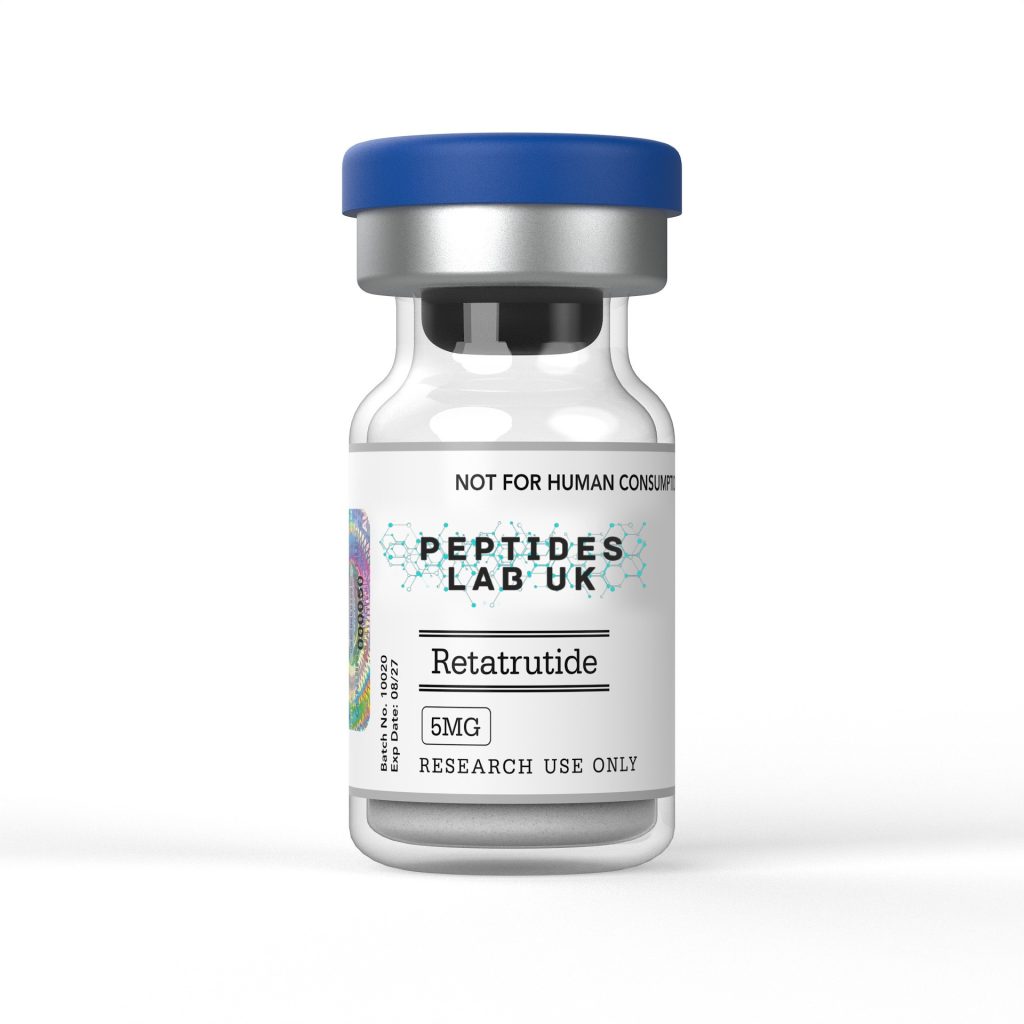
Sequencing data from Prime Peptides or Kylo Peptides confirms that a batch’s residue order matches the compound’s reference sequence, documented lot by lot. Both suppliers provide it, and what those documents actually contain is the question buyers need answered before any order is placed. Anyone running a research peptide supplier comparison across these two names reaches sequencing early, since it answers the identity half of compound verification, while purity answers the quantity half. Document contents, delivery route, and catalogue coverage are the three things a careful buyer confirms with either company before committing. The sections below cover each of the three in turn.
Sequencing data provided
Sequencing data provided rests on an analysis run before any documentation is issued, and two separate documents carry the result in both catalogues. Held together, the 2 documents answer what was confirmed and how the confirming was done, which is the pair identity-critical research requires from any source it works with.
- Sequence verification statement – Confirms the batch’s residue order against the compound’s reference, issued per lot and tied to that lot number, so the paper and the vial stay connected through storage and use
- Analytical method record – States the technique behind the confirmation, letting a reader weigh the claim rather than accept it bare, since a verification without its method attached cannot really be evaluated by anyone
Suppliers providing data
Suppliers deliver those same documents by different routes. Prime Peptides attaches sequencing papers to the order package beside the COA, so the buyer’s identity file arrives already assembled. Kylo Peptides holds its documentation keyed per lot, issued with the order or against a lot number the buyer supplies when asking. Routes shape the buyer’s handling rather than the document’s content. A laboratory that files everything on arrival finds the assembled package lands ready to drop straight into the record, and a laboratory that files per batch finds lot-keyed issuance matches how its own records are already organised. The verification reaching the file is identical along either route, so buyers sensibly pick whichever suits the filing habit they already keep.
Peptides sequencing coverage
Peptide sequencing coverage is the third confirmation, and it concerns the specific compound being ordered rather than the catalogue taken as a whole. Documentation depth can vary by product at any supplier, so a buyer checks coverage for the exact material going into the order, naming the compound and the lot in a single enquiry to either company.
- Buyers need to know that coverage for the order in hand is confirmed before they purchase it, as the verification statement, a method record, and proof that they exist for this particular lot are all essential to proving the compound’s identity. Because of that, the decision to source rests on whether or not that foundation is true rather than speculative, which is why it is worth sending the inquiry even if the answer is predictable based on the supplier’s reputation.
Sequencing data from Prime Peptides or Kylo Peptides delivers a per-lot verification statement with its analytical method, named, routed either as an assembled package or keyed to individual lots. Buyers who confirm coverage for their own specific compound hold documented identity from either source, and the documents themselves, rather than the route carrying them, are what this comparison ultimately turns on.
You may also like
-
Andrew Hillman – Exploring Leadership Principles for Stronger Business Performance
-
Online Weed Dispensary Canada Offering Secure Shopping and Fresh Products
-
How to Choose the Best Rent to Own Cars Program Near You
-
Interdepartmental Coordination by Christopher Balter
-
No Extra Words: When Escorts in Sevastopol Are the Top Choice