
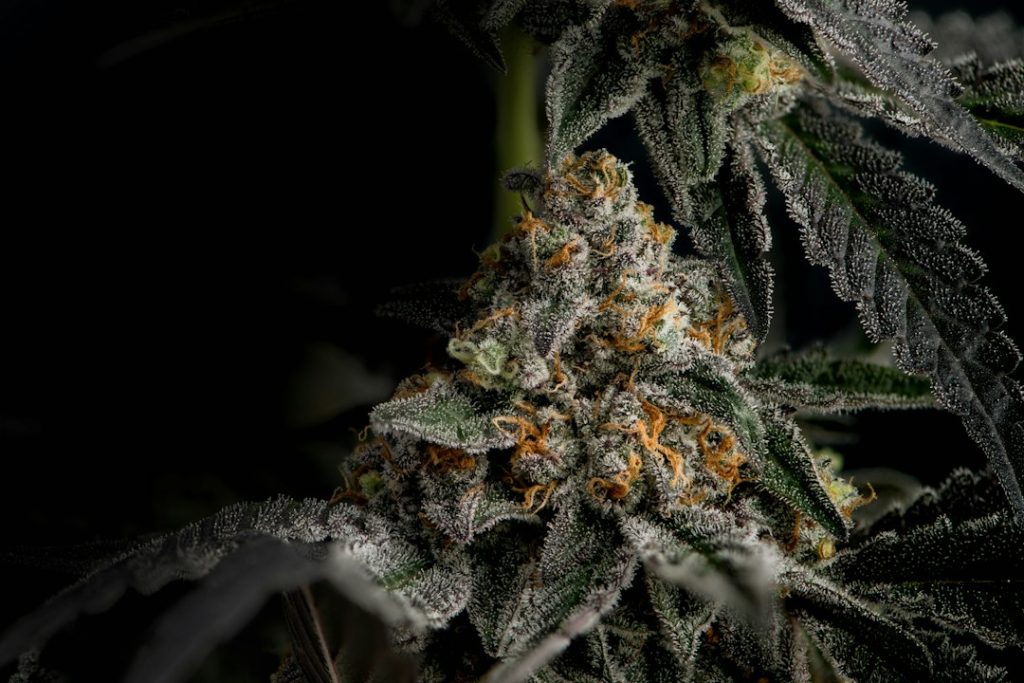
What makes hash different from cannabis flower?
Hash is a cannabis-derived concentrate formed from resin-rich trichomes rather than remaining in the original loose flower structure. This distinction influences its density, appearance, aroma, and consistency. Hash can therefore be examined as a concentrated botanical material whose characteristics depend on both the cannabis plant and the processes used after harvesting.
Table of Contents
- What makes hash different from cannabis flower?
- Which plant structures are most relevant?
- Why does color vary?
- What role does consistency play?
- How does aroma develop?
- Can storage affect physical characteristics?
- Can physical appearance establish safety?
- Why is professional information important?
- What should readers remember?
Its traditional forms have developed in different regions, with local practices contributing to differences in texture, color, and overall presentation. These variations make hash a diverse category rather than a single uniform product.
Which plant structures are most relevant?
Trichomes are particularly important because they contain many of the compounds associated with cannabis resin. These microscopic structures occur across the plant but are especially prominent around flowering areas.
The resin produced within trichomes contains cannabinoids and aromatic compounds. When resin-rich material is separated from plant matter and consolidated, the resulting material can develop the dense characteristics commonly associated with hash.
Why does color vary?
Color can be influenced by plant genetics, maturity, processing, oxidation, and storage. Fresh resin-rich material may display lighter tones, while aging and exposure to environmental conditions can contribute to darker appearances.
However, color should be interpreted cautiously. A darker or lighter appearance does not automatically establish freshness, strength, purity, or safety. Scientific testing remains necessary for reliable chemical evaluation.
What role does consistency play?
Consistency can range from dry and crumbly to soft, elastic, sticky, or firmly pressed. Environmental temperature is one factor that can influence how the material feels. Moisture and pressure can also affect physical structure.
These characteristics can be useful for describing a sample, but they should not be confused with laboratory measurements. Texture is an observable property rather than a complete assessment of chemical composition.
How does aroma develop?
Aroma is associated largely with terpenes and other volatile compounds naturally produced by the cannabis plant. Different genetic varieties can produce different aromatic profiles.
Some materials may have earthy or woody characteristics, while others can present floral, herbal, citrus-like, or spicy notes. Processing and storage may gradually change these aromas because volatile compounds can be sensitive to environmental exposure.
Can storage affect physical characteristics?
Yes. Heat, light, air, and moisture can influence cannabis-derived materials over time. Prolonged exposure may affect aroma, texture, color, and the stability of certain compounds.
Proper evaluation therefore considers the history and storage environment rather than relying exclusively on how a material looks at a particular moment.
Can physical appearance establish safety?
Physical appearance cannot confirm whether a cannabis concentrate is free from unwanted contaminants. Microbial contamination, residual substances, heavy metals, or other impurities may not be visible.
Laboratory analysis is the more dependable method for assessing cannabinoid content and identifying potential contaminants.
Why is professional information important?
A professional understanding separates botanical characteristics from assumptions. Color, aroma, texture, and density can describe a material, but they do not independently establish its complete composition.
This distinction is especially important when discussing cannabis concentrates because similar physical appearances can correspond to different chemical profiles.
What should readers remember?
Hash represents a varied group of cannabis-derived materials with characteristics shaped by plant genetics, trichome development, processing, and storage. Examining these factors together provides a more accurate understanding than judging a sample by appearance alone. Objective laboratory information is essential whenever precise composition, purity, or safety needs to be established.
At a Glance
- Hash is a cannabis-derived concentrate formed from resin-rich trichomes, which influences its density, appearance, aroma, and consistency.
- Color in hash can vary due to factors like plant genetics, maturity, processing, oxidation, and storage, but does not necessarily indicate freshness or strength.
- Consistency of hash can range widely and is affected by environmental temperature, moisture, and pressure, but is not a complete indicator of chemical composition.
- Aroma in hash develops from terpenes and volatile compounds, and can change due to processing and storage conditions.
- Physical appearance of hash cannot confirm the absence of contaminants, making laboratory analysis essential for determining purity and safety.
- The characteristics of hash are shaped by plant genetics, trichome development, processing, and storage, necessitating a thorough evaluation beyond mere visual assessment.