
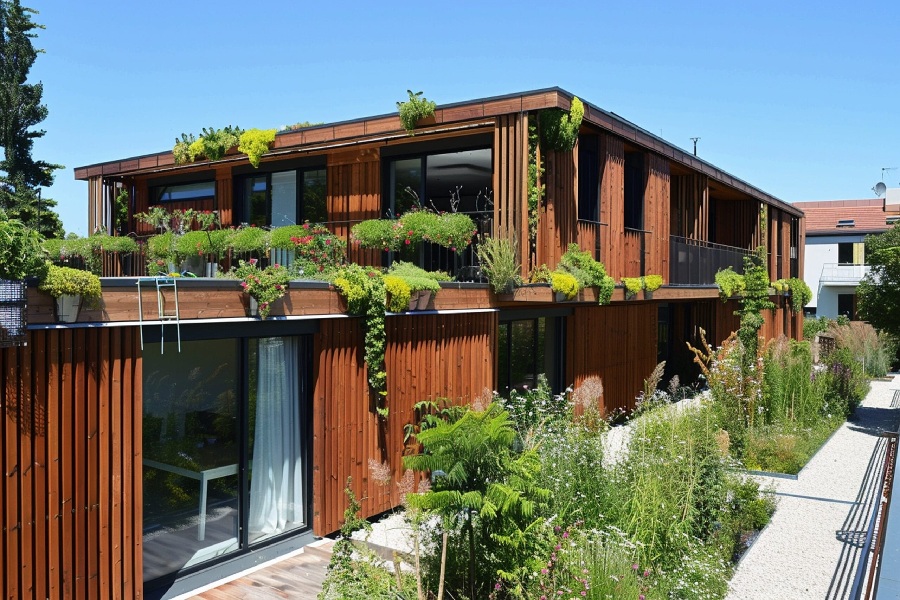
Home exteriors play a defining role in both aesthetics and performance, especially in a state like California where weather conditions range from humid coastlines to hot inland valleys. Among the many siding options available, plywood siding has emerged as a durable, versatile, and budget-friendly choice that continues to stand the test of time. Its combination of natural beauty, resilience, and adaptability makes it a go-to solution for homeowners who want both style and practicality without overspending.
This article dives into why plywood siding works so well for California homes, covering its composition, environmental benefits, installation processes, and maintenance tips—all with real-world insights and data to help you make an informed decision.
Understanding What Plywood Siding Is
Plywood siding is engineered from thin layers of wood veneer bonded together under heat and pressure. Each layer’s grain runs perpendicular to the one below, creating exceptional strength and dimensional stability. This cross-grain construction reduces warping, splitting, and expansion due to temperature fluctuations—an advantage that’s particularly useful in California’s variable climate.
Unlike solid wood boards, which can shrink or crack over time, plywood siding provides a consistent surface that resists environmental stress. Many manufacturers offer panels with pre-grooved or textured surfaces that mimic the look of traditional wood planks, giving homeowners a classic appearance with modern benefits.
Why California Homeowners Prefer Plywood Siding
California’s climate diversity means that any exterior material must balance durability with design flexibility. From fog-heavy mornings in San Francisco to scorching afternoons in Sacramento, plywood siding performs well across regions.
Key advantages include:
- Affordability: Compared to fiber cement or composite alternatives, plywood siding costs less per square foot while maintaining a natural wood appearance.
- Ease of Installation: Large panels cover broad wall sections quickly, reducing labor time and overall project costs.
- Sustainability: Many plywood products use responsibly sourced wood, and the manufacturing process often minimizes waste compared to traditional milling.
- Energy Efficiency: Wood is a natural insulator, helping stabilize indoor temperatures and reduce energy costs.
- Customizable Finish: Homeowners can stain or paint plywood siding to achieve the desired look, from rustic cabin-style textures to sleek, modern finishes.
These practical and aesthetic advantages make plywood siding an excellent choice for remodels or new builds across California.
Material Grades and Specifications
Not all plywood siding is created equal. The material is graded based on surface quality and the number of defects allowed. For residential siding, higher-grade panels such as “A-C” or “B-C” are commonly recommended, as they provide a smooth surface suitable for painting and sealing.
Thickness also matters. Typical exterior panels range from 3/8 inch to 3/4 inch. Thicker panels provide better impact resistance and structural rigidity, particularly beneficial in areas with strong winds or seismic activity—two environmental factors California homeowners must consider.
In addition, check for APA (Engineered Wood Association) ratings to ensure the product meets building code requirements. Many California building jurisdictions reference these standards for moisture resistance, structural integrity, and fire safety compliance.
Installation Insights and Best Practices
Installing plywood siding correctly is just as important as choosing the right grade. Panels should be fastened horizontally or vertically depending on design preference and architectural style. Vertical grooves can help elongate the look of a home’s elevation, while horizontal layouts emphasize width and traditional charm.
Before installation, it’s essential to apply a weather-resistant barrier such as house wrap to prevent moisture intrusion. Proper flashing at joints, corners, and around windows ensures long-term durability. Nails or screws should be corrosion-resistant and placed carefully to avoid splitting the edges of panels.
For long-lasting protection, homeowners are advised to seal all exposed edges with a high-quality primer before painting or staining. This simple step can dramatically extend the life of the siding and reduce maintenance frequency.
Comparing Plywood Siding to Other Materials
When evaluating siding materials, homeowners often compare plywood to fiber cement, vinyl, and engineered wood. Here’s how plywood holds up:
| Property | Plywood Siding | Fiber Cement | Vinyl |
| Cost | Lower upfront | Moderate to high | Low |
| Weight | Lightweight | Heavy | Light |
| Installation | Easy, fast | Requires special tools | Simple but less durable |
| Insulation | Natural thermal properties | Poor insulator | Poor insulator |
| Aesthetics | Warm, natural look | Imitates wood | Synthetic appearance |
| Environmental Impact | Renewable resource | Energy-intensive | Petroleum-based |
While fiber cement and vinyl may offer longer lifespans, plywood siding provides a balanced mix of performance, affordability, and visual appeal—making it ideal for homeowners seeking value without compromising character.
Maintenance and Longevity
Proper maintenance can easily extend plywood siding’s lifespan beyond 30 years. Routine care includes cleaning the panels annually with mild detergent and a soft brush to remove dirt, pollen, and mildew. Repainting or restaining every 5 to 7 years helps preserve the finish and prevent UV degradation.
Crucially, any exposed wood edges should be resealed promptly if paint begins to chip. In California’s drier inland areas, minimal maintenance is needed beyond surface protection, while coastal homeowners may need to apply sealant more frequently to combat moisture and salt exposure.
Plywood siding’s long-term performance data from the APA shows that well-maintained panels retain structural integrity and surface quality for decades, outperforming many synthetic substitutes in natural appearance and sustainability.
Environmental and Sustainability Considerations
Sustainability is a major factor for California homeowners mindful of green building standards. Plywood siding has a smaller carbon footprint compared to cement-based or plastic alternatives. Wood is a renewable resource, and many manufacturers now source from responsibly managed forests certified by organizations such as the Forest Stewardship Council (FSC).
Additionally, plywood’s production requires less energy than creating vinyl or composite siding, reducing greenhouse gas emissions. For those pursuing LEED certification or simply aiming for an eco-conscious remodel, plywood siding aligns with many of the state’s environmental goals.
When to Call in the Experts
Even with proper material selection and planning, the success of your siding project depends on skilled installation. Working with professional Plywood Siding Contractors ensures your panels are installed correctly, seams are sealed, and insulation layers are properly integrated. Licensed contractors familiar with California’s climate can also recommend the right finishes to enhance UV resistance and weather protection.
Professional crews typically provide warranties covering both materials and workmanship, giving homeowners peace of mind and long-term value. They can also help secure necessary building permits and verify compliance with local energy efficiency standards under Title 24.
Common Myths About Plywood Siding
Myth 1: Plywood siding rots easily.
Truth: When properly sealed and maintained, plywood siding resists rot just as effectively as other wood-based products. Regular painting and edge sealing are the keys to longevity.
Myth 2: It’s not fire-resistant.
Truth: Many modern plywood panels are treated with fire-retardant chemicals and comply with California’s stringent Wildland-Urban Interface (WUI) standards.
Myth 3: It requires too much upkeep.
Truth: Maintenance demands are comparable to painted wood trim or decks—simple cleaning and occasional repainting. With good care, plywood siding can look new for decades.
Real-World Performance in California Homes
Across cities like Sacramento, Fresno, and Redding, homeowners are rediscovering the appeal of wood-based siding. Builders often cite plywood’s ease of cutting and installation as major time savers. Remodelers appreciate its ability to integrate with energy-efficient wall assemblies. And homeowners love the customizable look that complements California’s mix of craftsman, ranch, and mid-century modern architecture.
In many older neighborhoods, plywood siding has replaced failing stucco or vinyl systems, providing a cost-effective refresh that maintains architectural integrity while improving curb appeal.
Conclusion
Choosing the right siding is both a practical and aesthetic decision. Plywood siding offers a rare combination of warmth, strength, and sustainability that makes it uniquely suited for California homes. From affordability and natural beauty to long-term performance, it delivers measurable value on multiple fronts.
Whether you’re building new or refreshing an existing exterior, partnering with professionals who understand regional needs can make all the difference. To find reliable specialists and home improvement resources near you, explore Local service experts who can connect you with trusted contractors and product suppliers in your area.
With thoughtful installation and consistent care, plywood siding can protect and beautify your California home for generations—proving that sometimes, the classic materials truly are the smartest choice.